The Pattern
How famine permanently changes what a region eats
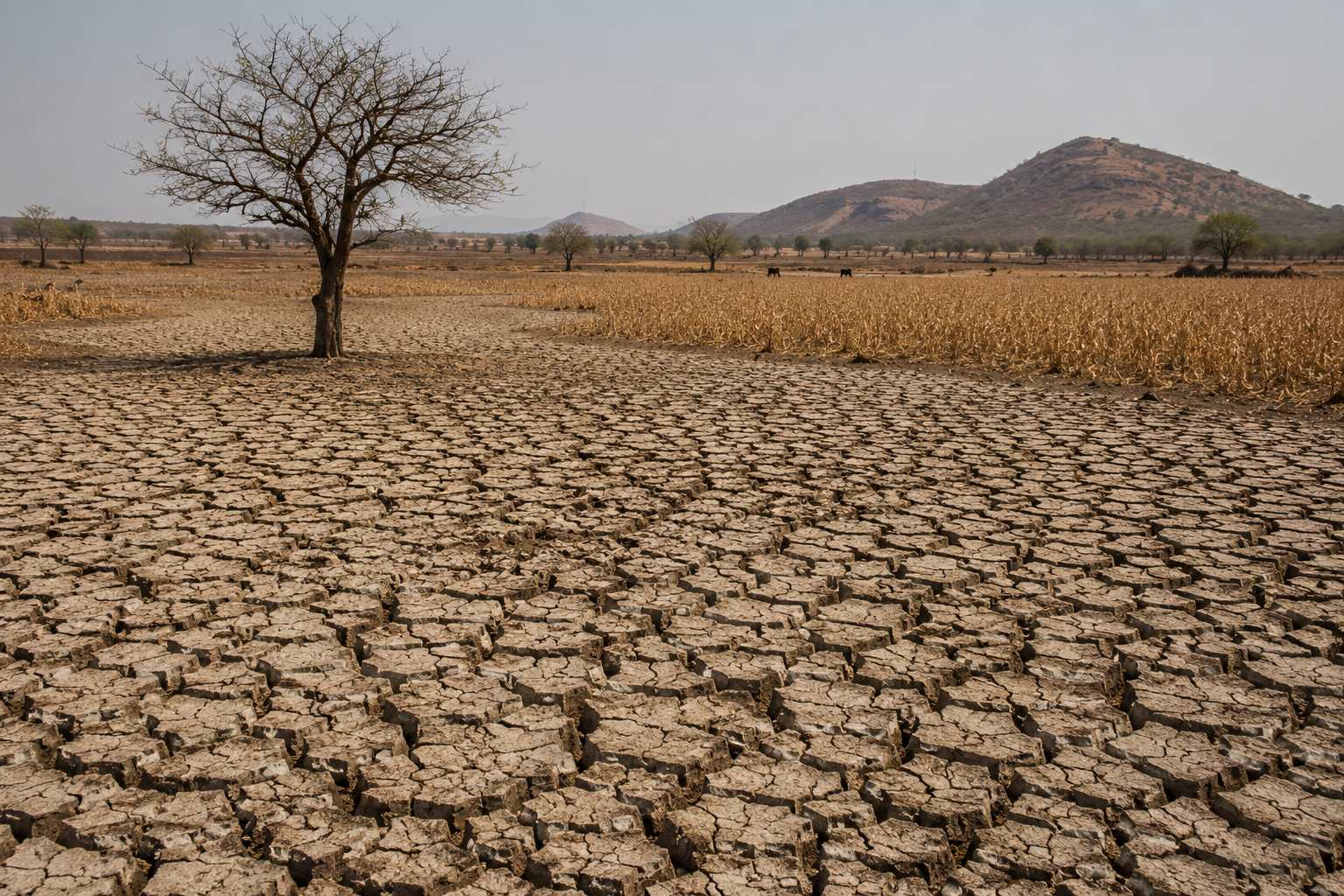
Agricultural crisis produces permanent culinary change through a specific mechanism: when the primary crop fails and people must eat whatever is available, they discover that the alternative crop — previously considered inferior or animal feed — sustains life. After the crisis, the food becomes associated with survival and then with identity. The jowar (sorghum) traditions of Rajasthan, Maharashtra's Vidarbha, and Karnataka's north are partly the descendants of food adopted during crop failure. The cassava (tapioca) tradition of Kerala is the direct descendant of a specific response to a specific mid-19th century rice famine.
1876-1878
The Great Famine of 1876
One of India's deadliest — 5-10 million dead across Bombay, Madras, Hyderabad. Produced permanent shifts toward drought-resistant crops in Deccan plateau regions.
1899-1900
Indian Famine of 1899
Followed the El Nino of 1899 — drought across Gujarat, Rajasthan, and the Deccan. Cassava cultivation expanded in Kerala partly as a result of food security concerns.
1943
The Bengal Famine
3-4 million dead — the most extensively documented Indian famine. Churchill's war policies and rice export decisions played a role. The famine's memory shapes Bengali food anxiety around rice availability.
Post-Independence
Green Revolution Response
The 1966-67 near-famine (widespread drought, food imports required) accelerated the Green Revolution — the adoption of high-yield wheat and rice varieties. India has not experienced a major famine since, though drought continues to stress specific regions.
Cassava in Kerala — A Famine Crop That Became a Staple
Cassava (tapioca, kappa) was introduced to Kerala in the mid-19th century and became widespread partly because it could survive drought conditions that killed rice. The Kerala fisherman community and the poorer agricultural communities adopted it as a staple during rice shortages. Kappa biriyani — tapioca cooked with fish or meat in a biryani-inspired format — is now one of Kerala's most celebrated preparations. A food adopted out of famine necessity became a cultural celebration within two generations. This pattern repeats across India's famine history.
Read More
Explore the broader context