Mountain-locked at 1,600 metres — the Kashmir Valley's isolation produced a food culture with no parallel in India. Rogan josh in brilliant Kashmiri red, the wazwan's 36-course feast, saffron from Pampore, and the Pandit-Muslim culinary dialogue that continues despite the political ruptures of the 20th century.
⏱ 14 min read🗓 Updated June 2026★ State Food Guide
State Food Guide
Kashmir — The Mountain Valley's Feast Tradition
The Kashmir Valley sits at 1,600 metres, enclosed by the Himalayas and the Pir Panjal range. This geographic isolation — extreme until the 19th century — produced a food culture that evolved with limited external influence from the Indian plains. The result: a cuisine with a spice vocabulary found nowhere else in India, a feast tradition of extraordinary elaboration, and a Pandit-Muslim culinary dialogue as the valley's defining food identity.
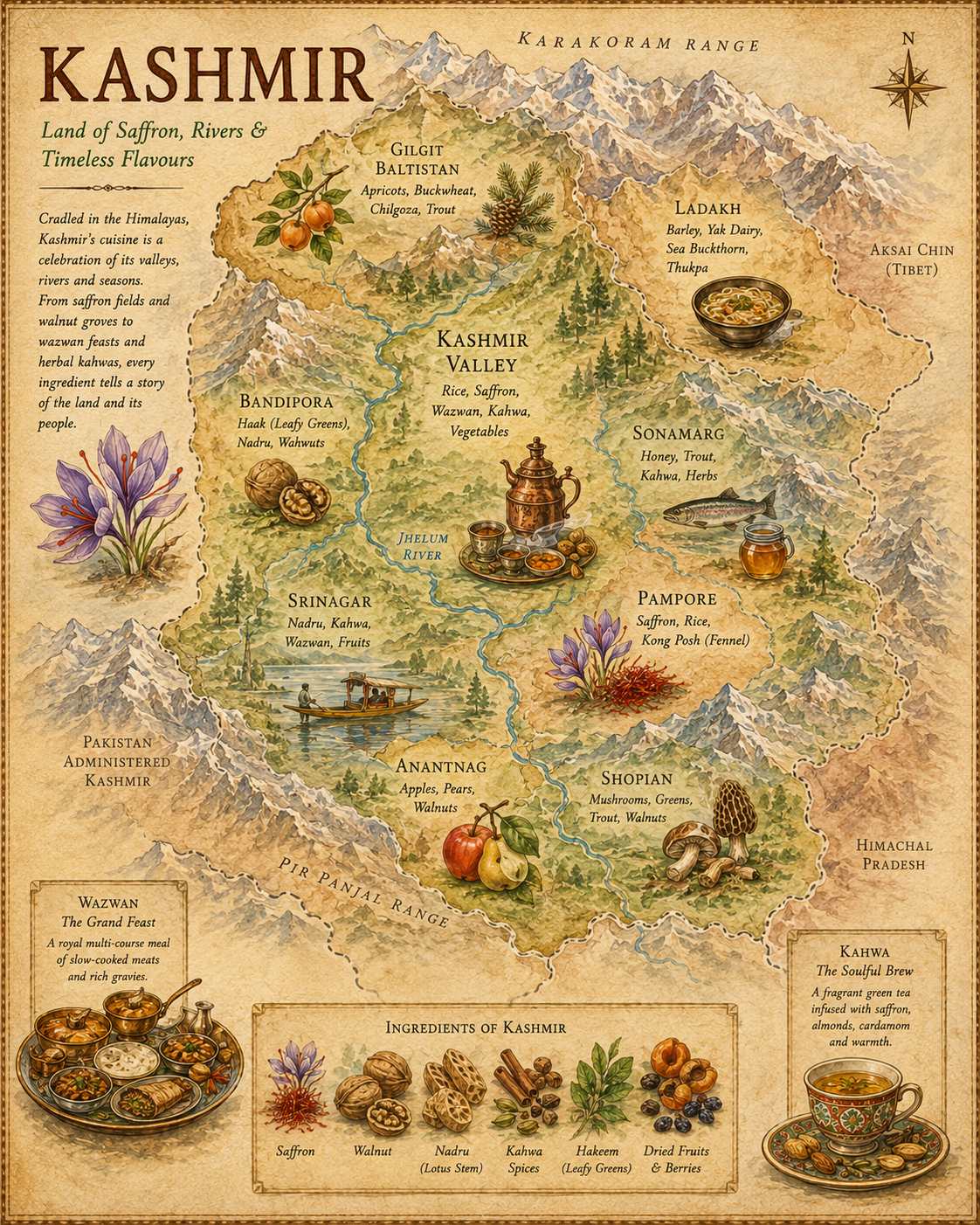
The geographic regions and food zones of Kashmir Food Guide.
🗺
Geography & Climate
The land that made this food inevitable
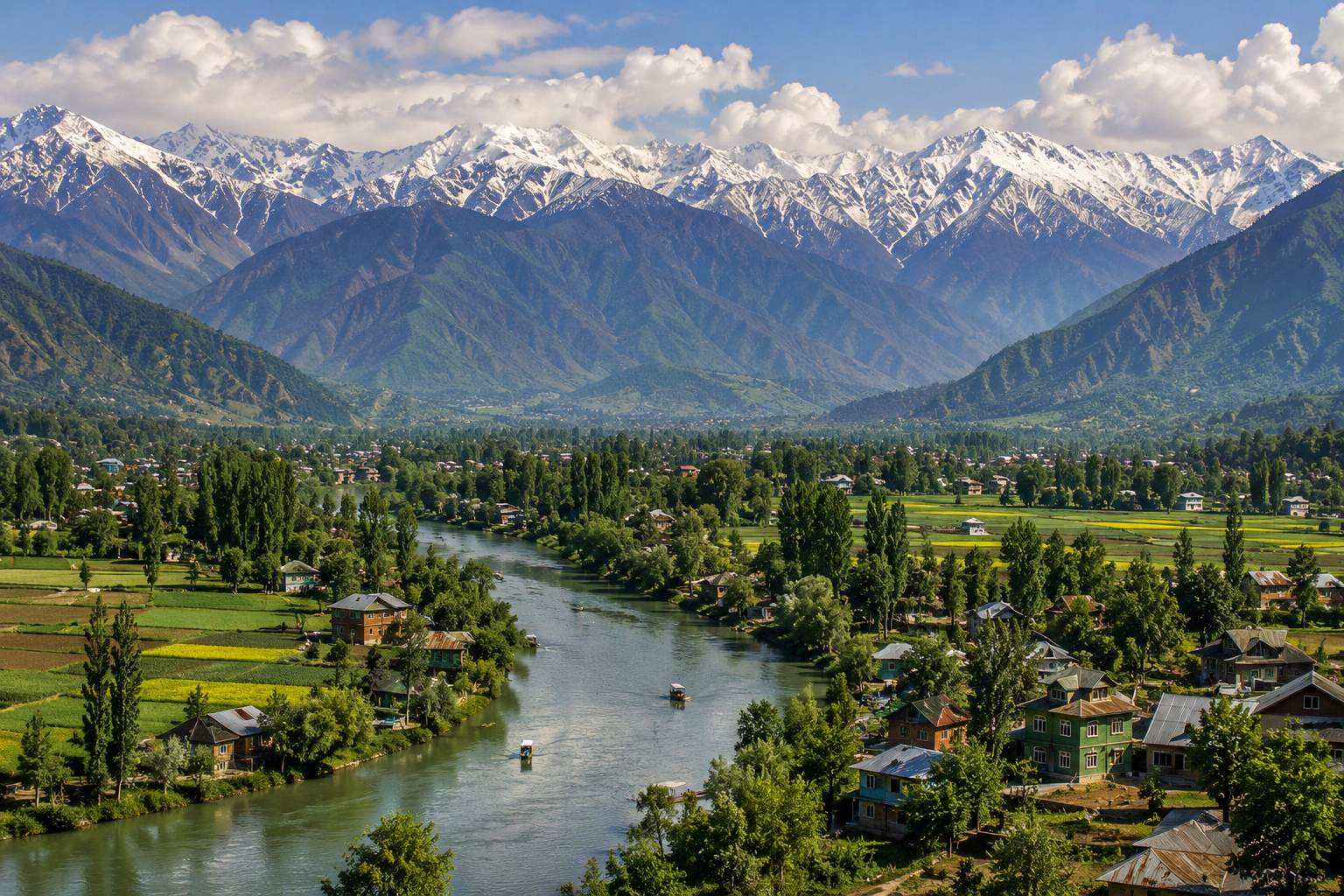
The Kashmir Valley is an elevated basin — 135 kilometres long, 32 kilometres wide, at 1,600 metres. Surrounded by the Great Himalayas and the Pir Panjal range, the valley was historically accessible only through mountain passes that closed for months in winter. This isolation produced a food culture that developed internal logic and specificity rather than borrowing from adjacent plains traditions.
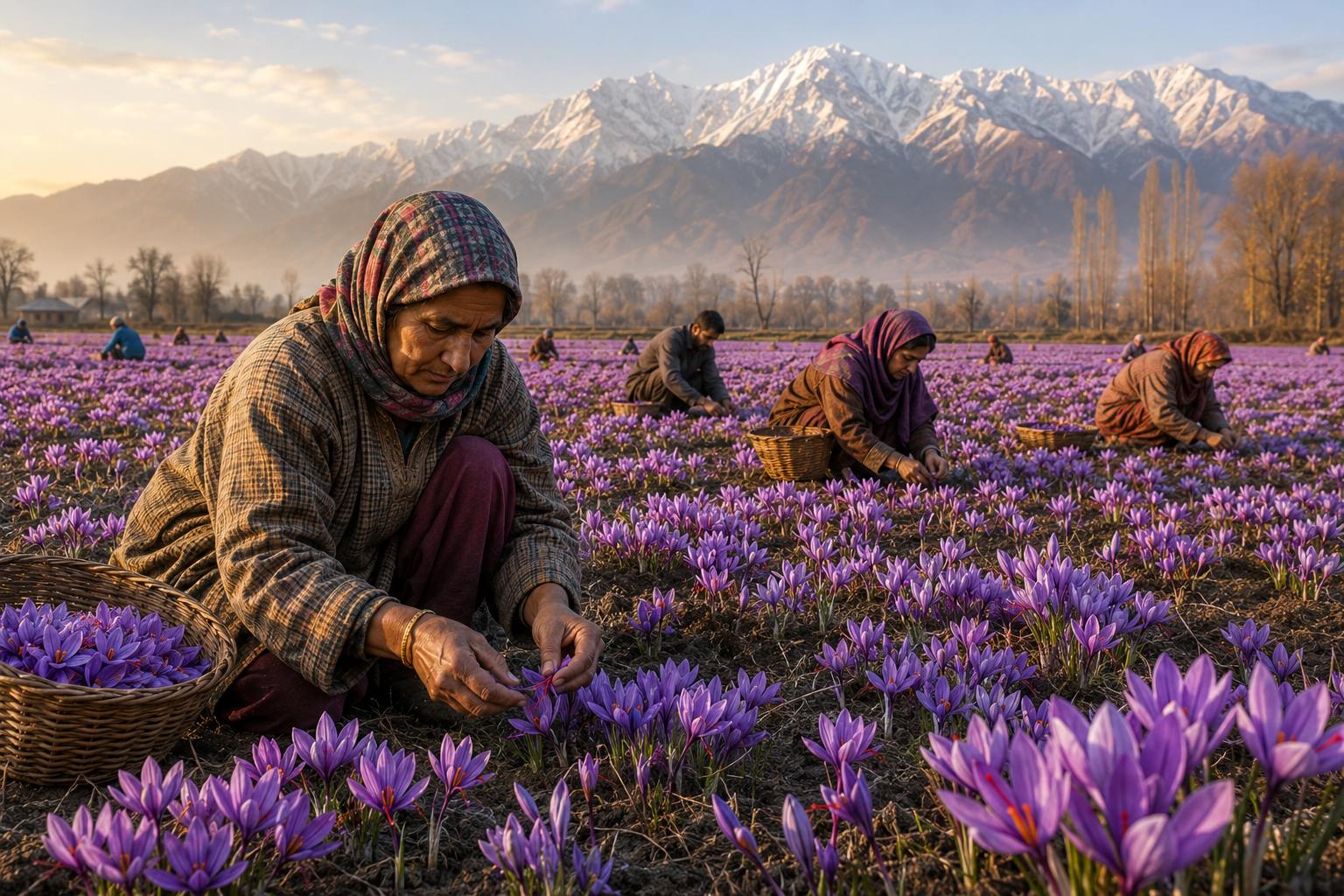
The Kashmiri spice vocabulary is the most immediately distinctive feature. Kashmiri dried red chilli (Degchi Mirch) produces brilliant colour with very little heat — a paradox that surprises anyone who expects colour and heat to correlate. Saffron from the Pampore fields (the only commercially significant saffron production in India) adds fragrance and colour. Fennel seed, dried ginger (saunth), and asafoetida provide aromatic warmth. This specific spice vocabulary is found in no other Indian cuisine.
The Kashmiri Pandit (Hindu Brahmin) and Muslim food traditions share geography but diverge in specific ingredients. The Pandit tradition uses asafoetida and dried ginger rather than onion and garlic; the Muslim tradition uses onion and garlic. Both have their version of rogan josh — different in spice construction but visually similar. The coexistence of two distinct cooking philosophies within one valley, using the same basic ingredients, is one of the most interesting phenomena in Indian culinary geography.
Kashmiri Chilli — The Colour Paradox
The Kashmiri Degchi Mirch is one of the most unusual chillies in the world — dried to a deep, brilliant red, but with extremely low capsaicin content. When used in rogan josh or other Kashmiri preparations, it produces an intensely red preparation with minimal heat. This is why rogan josh looks fiery but is not — the colour is the Kashmiri chilli's contribution; the heat is not. Most commercial 'Kashmiri chilli powder' is a blend of milder red chillies with colouring; the authentic Pampore and valley-grown Degchi Mirch produces both colour and a specific fruity flavour that commercial blends do not replicate.
The terrain and agricultural landscape that produces the defining ingredients.
🧬
Food DNA
The flavour architecture
Wazwan Sequence
Tabak maaz — crisp-fried ribs — served first, the tactile opening
Rogan josh — lamb in Kashmiri red — the most internationally known preparation
Rista — minced lamb meatballs in red gravy
Gushtaba — minced lamb in white yoghurt gravy — the closing course, the feast's culmination
The Kashmiri Spice Vocabulary
Kashmiri Degchi Mirch — colour without heat — the paradox that defines the cuisine
Saffron (Pampore) — the only Indian saffron — fragrance and colour
Fennel seeds — the aromatic warmth of Kashmir
Saunth (dried ginger) — used where fresh ginger appears elsewhere
Pandit Tradition
Asafoetida instead of onion-garlic — the Pandit dietary philosophy
Dum aloo — potatoes in Kashmiri spices — the Pandit comfort food
Haak — leafy greens simply cooked — the daily vegetable
Muslim Tradition
Wazwan — the feast format — 36 courses, hereditary waza chefs
Seekh kebab — the street-grill standard of Srinagar
Noon chai (pink tea) — salty pink milk tea — the Kashmiri morning and afternoon drink
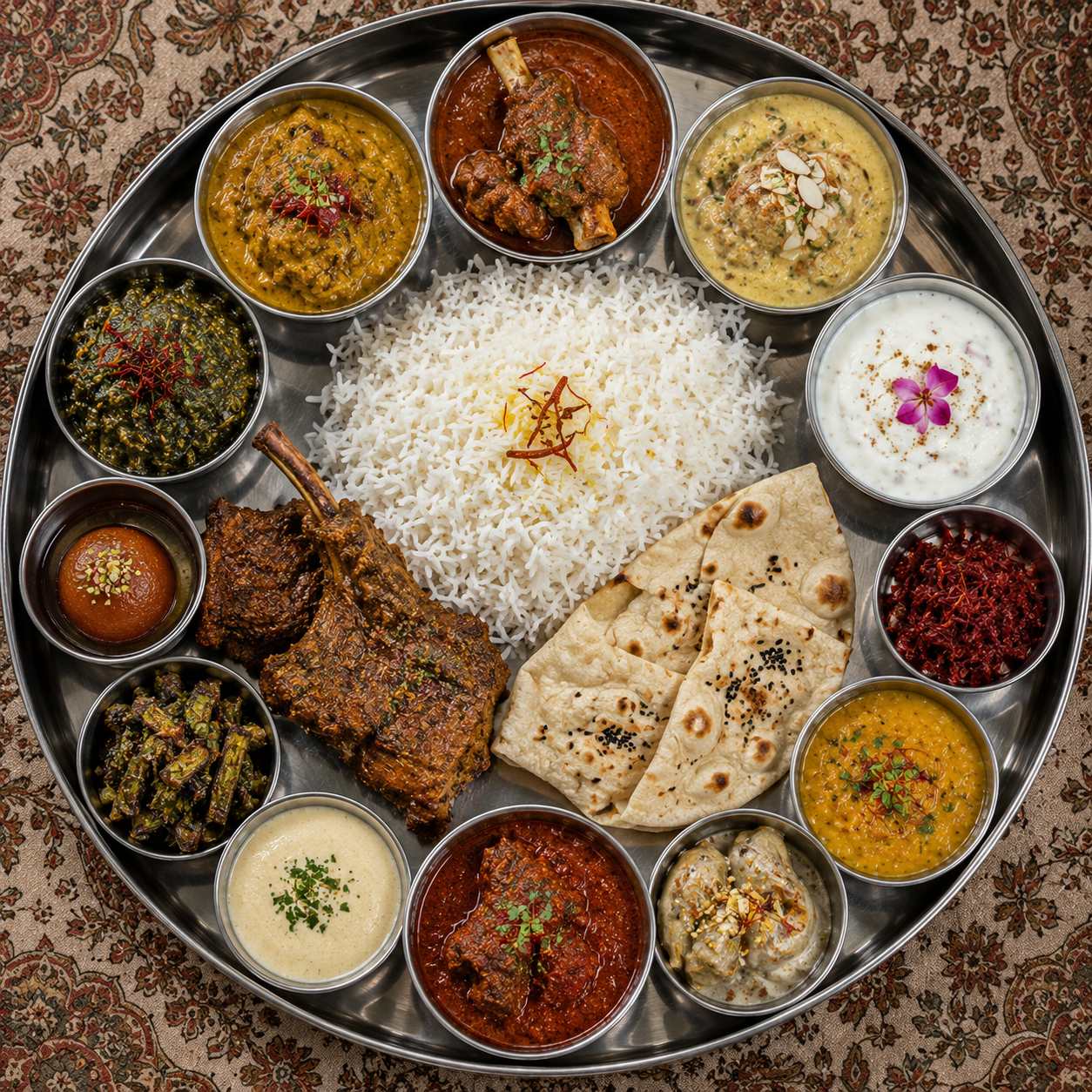
A complete thali representing the full flavour range.
🎉
Festival Foods
When the calendar drives the kitchen
Eid
The Muslim community's most elaborate food occasion — wazwan at its most elaborate, specific Eid sweets and halwa.
Navreh (Kashmiri Pandit New Year)
Specific Pandit new year preparations — the thaal (ceremonial plate) with specific foods.
Shivratri (Herath)
Kashmiri Pandit's most important festival — specific food preparations including matschgand (minced mutton).
Baisakhi
Spring festival food of the valley — specific Kashmiri spring preparations.
Wazwan at weddings
The wazwan is not a restaurant meal but a wedding/celebration feast — the primary context for the 36-course tradition.
🌍
Diaspora & Reach
How this cuisine spread beyond its borders
The political disruption of Kashmir from 1990 onwards — particularly the displacement of the Kashmiri Pandit community — has separated the two culinary traditions geographically. The Pandit community in Delhi, Jammu, and internationally has maintained their food tradition in diaspora, while the Muslim wazwan tradition continues in the valley.
Kashmiri food has become a culinary tourism attraction — specific restaurants in Delhi and Mumbai serving wazwan-derived preparations (rogan josh, gushtaba, yakhni) have built national audiences. Pampore saffron tourism has also attracted food tourists to the valley.
Rogan josh is Kashmiri lamb curry in Kashmiri Degchi Mirch — producing brilliant red colour with moderate heat. The Pandit version uses asafoetida and dried ginger instead of onion and garlic; the Muslim version uses onion. Both are red, both are considered rogan josh, both use the Kashmiri chilli — the ingredient that distinguishes them is the aromatic base.
What is noon chai?
Noon chai (also called sheer chai or pink tea) is Kashmiri pink milk tea — made with gunpowder green tea, salt, bicarbonate of soda, and milk. The baking soda reacts with the tea to produce a pink-red colour. It is salty, slightly bitter, and deeply warming. Consumed multiple times daily in Kashmir, it is the most specifically Kashmiri daily beverage and one of the few savoury teas in Indian food culture.