๐Ÿ“– History ๐Ÿ”ฅ Failure Clinic ๐Ÿ”ฌ Science Academy ๐ŸŒฟ Encyclopedia ๐Ÿ—บ Food Atlas ๐Ÿฝ Recipes
Vegetable Biryani
๐Ÿš Biryani ยท Level 2

Vegetable Biryani

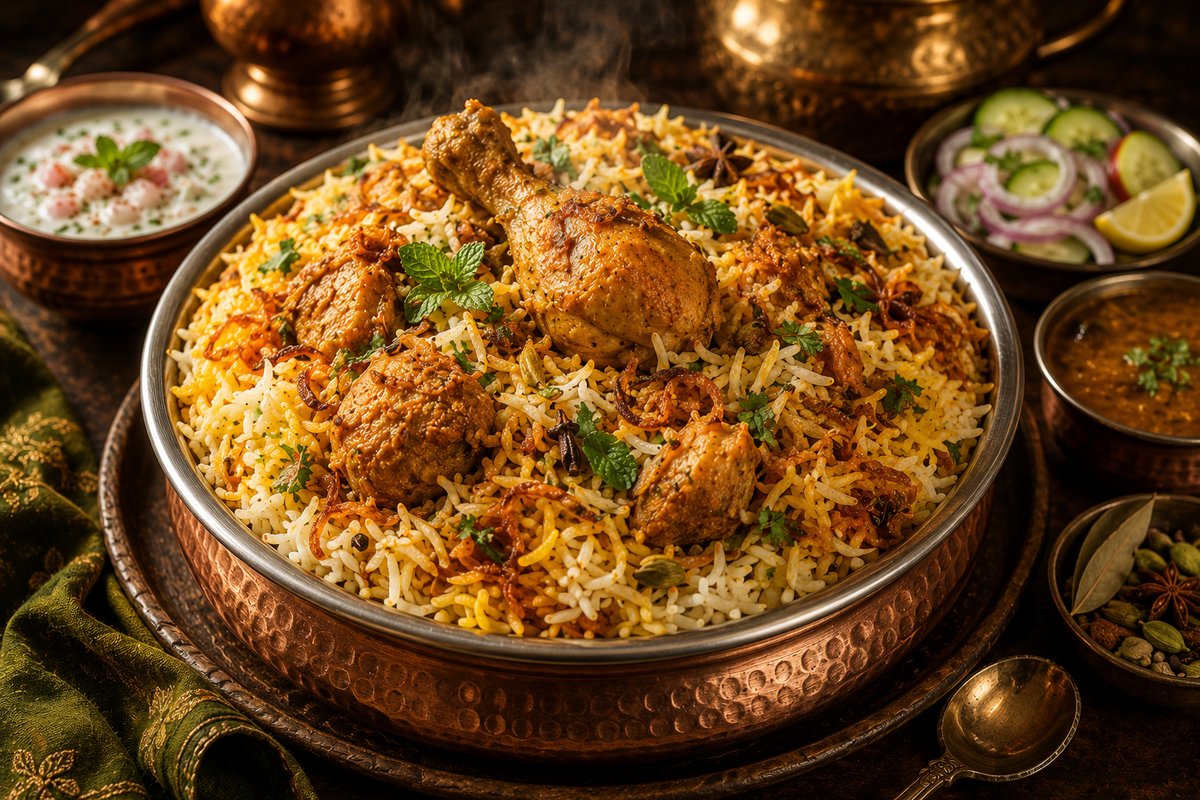
A biryani that earns its name โ€” deeply spiced vegetables layered with saffron rice, dum-cooked. Not a vegetable pulao. A proper biryani technique applied to vegetables.

Prep30 min
Cook55 min
Serves6
Level2 โ€” Intermediate
๐Ÿฅฌ Vegetarian๐ŸŒฑ Vegan (use oil)

The difference between vegetable biryani and vegetable pulao

Most 'vegetable biryani' is vegetable pulao โ€” vegetables cooked with rice in the same pot without layering or dum. A real vegetable biryani has the same structure as meat biryani: a separately cooked, deeply spiced vegetable masala base layered with par-cooked rice and dum-cooked. The layering and dum produce the aromatic exchange between the spiced masala and the rice that defines biryani. Vegetables do not produce the same steam volume as marinated meat, so the technique is adapted.

โš ๏ธCommon mistakes to avoid
  • Cooking all vegetables together โ€” Different vegetables need different cooking times. Add in order of density.
  • Using vegetable stock instead of the masala steam โ€” The masala layer provides the steam. No additional liquid needed.
  • Calling pulao 'biryani' โ€” Pulao is cooked in one pot with the rice. Biryani uses separate preparation and dum layering.
  • Skipping birista โ€” Fried onions are as essential for vegetable biryani as for meat biryani.
๐Ÿฝ

Ingredients

Vegetable Biryani
6 servings
Vegetable Masala
  • 200gcauliflower florets
  • 150ggreen beans, cut
  • 100gpeas
  • 2potatoes, cubed
  • 2carrots, cubed
  • 3 tbspoil or ghee
  • 2onions, finely chopped
  • 1 tbspginger-garlic paste
  • 2tomatoes, pureed
  • 2 tspbiryani masala
  • 1 tspKashmiri chilli powder
  • 200gyogurtโ€” for richness
  • Saltto taste
Rice & Layering
  • 500gbasmati riceโ€” soaked 30 min
  • Large pinchsaffron in warm milk
  • 3 tbspghee
  • Large handfulbirista
  • Fresh mint and coriandergenerous
๐Ÿ”ฅ

How to make it โ€” step by step

Step 1
Build the vegetable masala
โฑ 25 min๐Ÿ”ฅ Medium-high

Heat oil/ghee, cook onion 12 minutes until golden. Add ginger-garlic paste, tomatoes, biryani masala, chilli. Bhuno until oil separates. Add dense vegetables (potato, carrot) first โ€” cook 5 minutes covered. Add cauliflower and beans โ€” cook 3 minutes. Add peas and yogurt. Stir well. The masala should be thick and coating the vegetables. Season generously.

๐Ÿ”ฌThe Science

The staggered vegetable addition respects each vegetable's different cell wall composition and density. Potatoes and carrots have dense, pectin-rich cell walls requiring longer softening. Cauliflower has more delicate walls. Peas need almost no cooking. Adding all vegetables simultaneously would produce perfectly cooked peas alongside raw potatoes. The yogurt added at the end coats the vegetables, providing both moisture for the dum stage and a dairy protein barrier that slows moisture loss.

Step 2
Par-cook rice to 70%
โฑ 7 minโšก 70% โ€” not fully cooked

Par-cook soaked basmati in heavily salted spiced water for 7 minutes. Drain. Rice should have a visible white centre.

๐Ÿ”ฌThe Science

The 70% par-cooking is the same as pakki biryani โ€” vegetable masala produces less steam than meat, so rice needs to be slightly more cooked than for kachchi biryani. The yogurt in the vegetable masala is the primary moisture source for the dum, evaporating as steam to complete the remaining 30% of rice cooking.

Step 3
Layer and dum
โฑ 25 min dum

Spread vegetable masala in a heavy pot. Layer rice on top. Add saffron milk, ghee, birista, mint and coriander. Seal tightly with foil and lid. High heat 5 minutes, lowest heat 20 minutes.

๐Ÿ”ฌThe Science

The dum physics for vegetable biryani are identical to meat biryani โ€” steam from the masala base rises through the rice layers, completing the starch gelatinisation and distributing the aromatic compounds from the spiced masala through every rice grain. The saffron volatilises in the steam and deposits safranal aroma compounds on the rice surfaces it contacts โ€” creating the characteristic spotted yellow grains that indicate a properly made biryani.

Vegetable Biryani โ€” answered
Can I add paneer to vegetable biryani?
Yes โ€” lightly pan-fry paneer cubes until golden and add them to the vegetable masala. Add at the very end of the masala stage so they don't overcook during the dum.
What is the difference between biryani masala and garam masala?
Biryani masala is a more complex blend specifically designed for rice dishes โ€” it contains spices like mace, black cardamom and star anise in higher proportions than garam masala, and is generally more aromatic and less pungent. Garam masala is a reasonable substitute but produces a slightly different flavour profile.
Can I make vegetable biryani in an Instant Pot?
Yes โ€” the Instant Pot's sealing function approximates dum cooking. Use the 'Pressure Cook' setting for 6 minutes, then natural release for 10 minutes. The result is good but lacks the slight char at the bottom (the tahdig) that makes dum-cooked biryani special.
Why is my vegetable biryani wet?
Too much liquid in the vegetable masala before layering, or the dum seal leaked. The masala should be thick โ€” not soupy โ€” before layering. Excess liquid steams the rice into a wet, clumping mass rather than separate grains.
What vegetables should I avoid?
Leafy greens (spinach, fenugreek) turn yellow and mushy in the dum. Zucchini/courgette releases too much water. Stick to dense vegetables that hold their shape: potato, carrot, cauliflower, beans, peas, capsicum.