📖 History 🔥 Failure Clinic 🔬 Science Academy 🌿 Encyclopedia 🗺 Food Atlas 🍽 Recipes ✍ Blog
Dal Panchratna — Five Lentil Dal
🫘 Dal · Level 1

Dal Panchratna

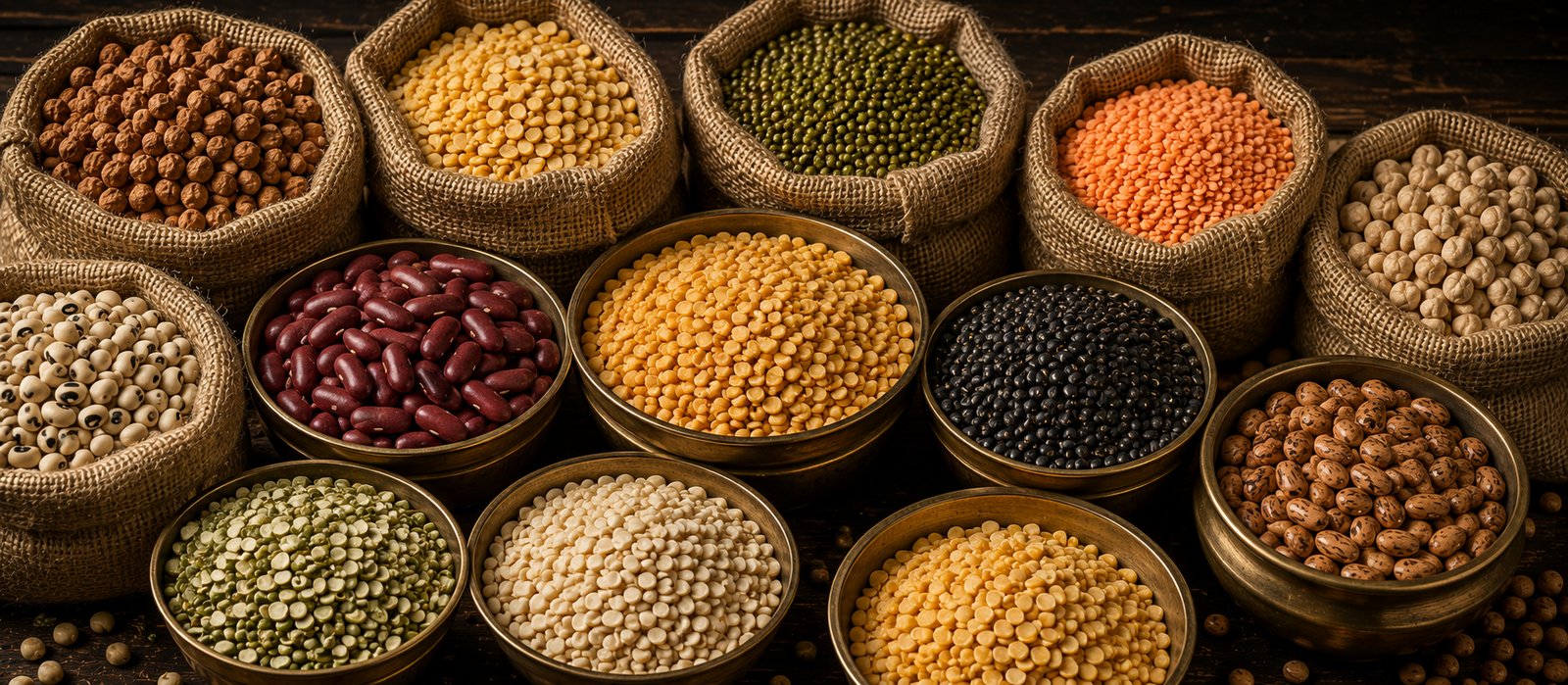
Five lentils in one pot — toor, chana, moong, masoor and urad. Each contributes a different texture, flavour and protein profile. The complete dal.

Prep15 min
Cook35 min
Serves6
Level1 — Beginner
🥬 Vegetarian🌱 Vegan🟡 Jain (omit onion/garlic, add hing)

Five lentils — five different contributions

Panchratna means five gems — the five lentils used are not interchangeable and each contributes something different. Toor dal provides the creamy body and earthy sweetness. Chana dal provides texture and a slightly nutty firmness. Moong dal provides lightness and easy digestibility. Masoor (red lentil) provides a silky smoothness and a slightly different earthiness. Urad dal provides the characteristic stickiness that gives panchratna its distinctive rich mouthfeel. Together, they produce a dal more complex than any single lentil can achieve.

⚠️Common mistakes to avoid
  • Using equal quantities of all five — Some lentils dissolve faster than others. Toor and moong more, chana and urad less.
  • Not soaking chana and urad — These two dals have harder cell walls and need 30–60 minutes soaking.
  • Single tadka only — Double tadka — one base, one finishing — is what makes panchratna special.
  • Insufficient water — Five lentils absorb more water than one. Use 2L for pressure cooking.
🍽

Ingredients

Dal Panchratna — Five Lentil Dal
6 servings
Five Lentils
  • 60gtoor dal (split pigeon pea)
  • 60gchana dal (split chickpea)— soaked 30 min
  • 40gyellow moong dal (split)
  • 40gmasoor dal (red lentil)
  • 40gurad dal (black gram, split husked)— soaked 30 min
  • ½ tspturmeric
  • 2Lwater
  • Saltto taste
Base Tadka
  • 2 tbspoil or ghee
  • 1 tspcumin seeds
  • 1large onion, finely chopped
  • 1 tbspginger-garlic paste
  • 2tomatoes, pureed
  • 1 tspcoriander powder
  • ½ tspKashmiri chilli powder
  • ½ tspgaram masala
Finishing Tadka
  • 2 tbspghee
  • 1 tspcumin seeds
  • 2dried red chillies
  • ¼ tspKashmiri chilli powder
  • Pinchasafoetida
🔥

How to make it — step by step

Step 1
Pressure cook all five lentils together
⏱ 25 min⚡ Soak chana and urad first

Combine all soaked and washed lentils with 2L water and turmeric. Pressure cook for 6–7 whistles until all lentils are very soft. Whisk well — the lentils will merge into a unified, thick dal.

🔬The Science

The five lentils cook at different rates due to different cell wall densities and starch structures. Moong and masoor dissolve almost completely in 6 whistles; toor partially dissolves; chana and urad retain some texture. After whisking, the dissolved moong and masoor form the smooth base, toor adds body, and chana and urad provide the texture variation — a complete dal that cannot be achieved with any single lentil. The combined amino acid profiles of five different legumes provide a more complete protein than any single lentil.

Step 2
Build base tadka and combine
⏱ 15 min🔥 Medium-high

Fry cumin in oil/ghee. Add onion, cook 10 minutes golden. Add ginger-garlic, tomatoes, spices. Bhuno until oil separates. Add cooked dal to this masala base. Stir well. Simmer 5 minutes. Adjust consistency with hot water.

🔬The Science

Adding five-lentil dal to the bhunoed masala base (rather than adding masala to dal) ensures the concentrated masala compounds distribute evenly through the large volume of dal through convection rather than requiring extensive stirring.

Step 3
Finishing tadka — pour at serving
⏱ 90 seconds⚡ Serve within 2 minutes

Heat ghee on high. Pop cumin seeds. Add dried red chillies, chilli powder, hing. Pour immediately over dal. Serve within 2 minutes.

🔬The Science

The finishing tadka for panchratna uses more ghee than standard dal tadka — the richer dal base can support a more generous ghee finish without becoming greasy. The cumin and dried chilli in hot ghee produce an intensely aromatic sizzle that is the sensory highlight of panchratna.

Dal Panchratna — Five Lentil Dal — answered
Can I use different ratios of lentils?
Yes — adjust to taste. More toor for creaminess, more chana for texture, more masoor for smoothness. The ratio given is balanced for a representative result.
Why is the nutritional value higher than single-lentil dal?
Different lentils have different limiting amino acids — the amino acid that is present in low quantities and limits protein utilisation. Combining toor (low in methionine), moong (good methionine) and masoor (good lysine) produces a more complete amino acid profile than any alone.
Can I make panchratna in a regular pot?
Yes — increase cooking time to 60+ minutes on low simmer. The lentils need extended cooking to reach the soft texture that pressure cooking achieves in 25 minutes.
What do I serve panchratna with?
Steamed rice or roti. The complex, rich flavour of panchratna makes it a complete meal with only rice or bread alongside. A simple kachumber salad provides a refreshing contrast.
Is dal panchratna the same as dal bukhara?
No — dal bukhara uses only whole urad dal with butter and cream. Panchratna uses five split lentils. The techniques and flavour profiles are different.