The bitter whole spice problem
Why whole spices become bitter — cooking duration and temperature
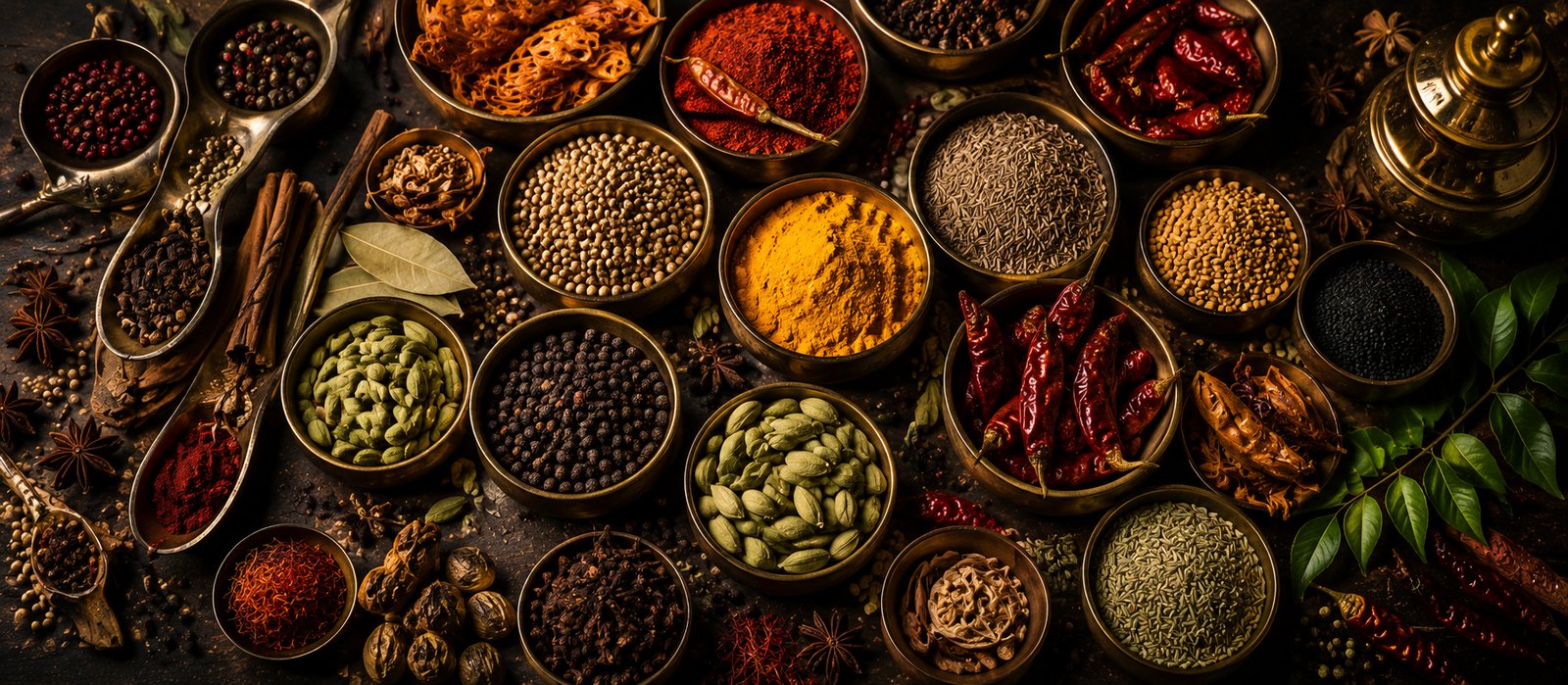
Whole spices — cardamom, cloves, cinnamon, bay leaf — cooked for too long in curry gradually release bitter compounds from their heartwood and seed coats that would otherwise remain bound. A 2-hour curry with whole spices left in throughout can become noticeably more bitter than one where the spices were removed or added later.
The Fix
How to manage whole spices in curry
- Add whole spices to hot oil at the start for the first 2–3 minutes only — this is the critical flavour release window
- Remove large whole spices (bay leaf, cinnamon sticks, black cardamom) before the dish cooks for extended time
- Alternatively: use whole spices tied in a muslin bag — easy to remove at any point
- Green cardamom pods: remove before serving — they release their seed flavour into the dish during cooking, the pod shell then becomes bitter
- When serving: always warn guests about whole spices in the dish or remove before plating
The Science
Why do whole spices become more bitter the longer they cook?
Whole spice outer coats and woody structures contain tannins and other polyphenolic compounds that are initially insoluble or only slowly extracted by boiling water. Given sufficient time and heat, these tannins gradually leach into the dish. The aromatic compounds (which produce positive flavour) are extracted rapidly in the first 10–15 minutes of cooking — the bitter compounds continue extracting for hours. The ratio of aromatic to bitter extraction therefore worsens with cooking time.
25 second read