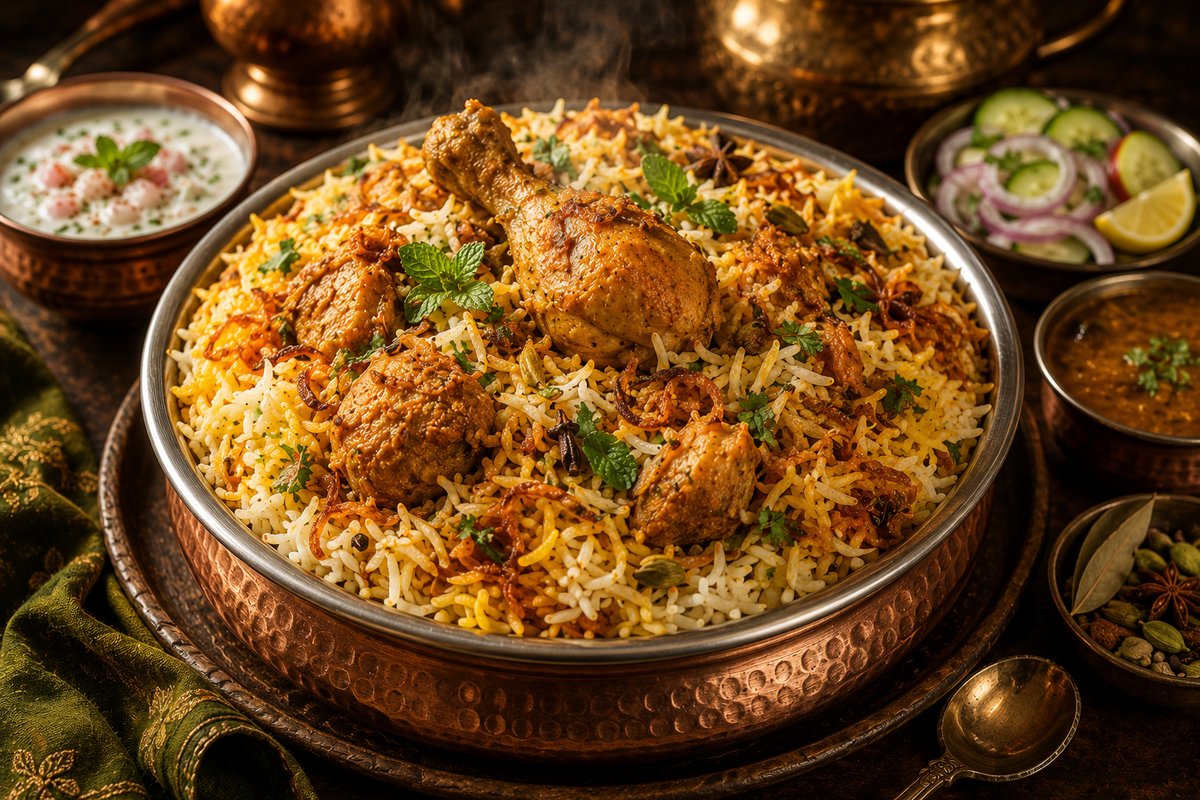
The soggy rice problem
Why rice overcooks — and what to do with it
Overcooked rice — soft, wet, and mushy — cannot be uncoked. The starch has fully gelatinised and the grain structure has broken down. However, overcooked rice can be salvaged into several dishes that actually benefit from its soft, starchy character, and understanding what went wrong prevents repetition.
The Fix
Salvage overcooked rice — five uses
- Congee/kanji: add more water and cook down further into a comforting rice porridge — overcooked rice is perfect for this
- Rice cakes: press into a thin layer, refrigerate overnight, slice and fry in oil — overcooking concentrates starch perfect for frying
- Idli or dosa batter extension: blend with batter to add fermentable starch — reduces wasted rice
- Khichdi base: mix with cooked dal, season — the soft texture is ideal for khichdi
- Prevention: reduce heat to absolute lowest once water is absorbed and always rest off heat rather than continuing to cook
The Science
Why does keeping rice on heat after water is absorbed make it mushy?
Once the cooking water is absorbed, continuing heat causes the gelatinised starch inside grains to break down further — amylopectin chains rupture and release from the grain structure into the space between grains, creating the gummy, starchy coating that makes overcooked rice mushy. Turning off heat immediately when water is absorbed and resting for 10 minutes uses residual heat without breaking down starch chains further.
30 second read