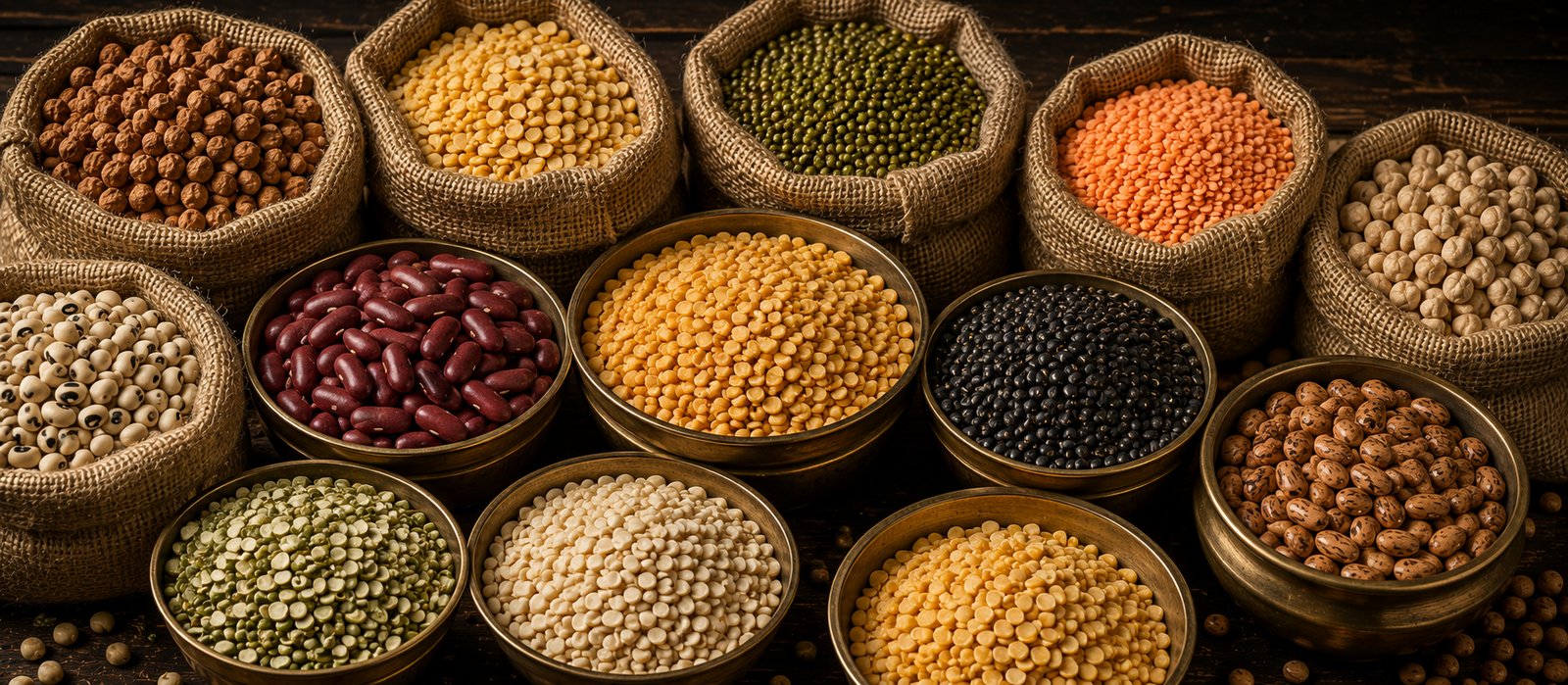
The foaming dal mystery
Why dal foams — saponins and surface proteins
Foam on dal during cooking is normal — almost all legumes foam during initial cooking. The question is whether to skim it, ignore it, or be concerned by it. Understanding what the foam is changes how you handle it.
The Science
What is the foam that forms on dal?
Dal foam consists primarily of saponins — glycoside compounds on the surface of the legume that produce stable foam in water. These saponins are also found in chickpeas and kidney beans. The foam also contains denatured surface proteins and some starch. Saponins have a mildly bitter taste and some people prefer to skim them. However, saponins are not harmful, and most of their taste impact is lost once the dal is seasoned and tempered. Red lentils (masoor) foam the most; chana dal foams the least.
30 second read
The Fix
How to handle dal foam
- For mild foam: ignore it — it reduces naturally as cooking continues
- For heavy foam (rajma, chickpeas): skim with a large spoon in the first 10 minutes of boiling
- Adding 1 teaspoon of oil or ghee to cooking water reduces foam formation significantly
- Soaking dal overnight and discarding soaking water removes most surface saponins before cooking
- Do not be alarmed by foam — it is normal for all legumes