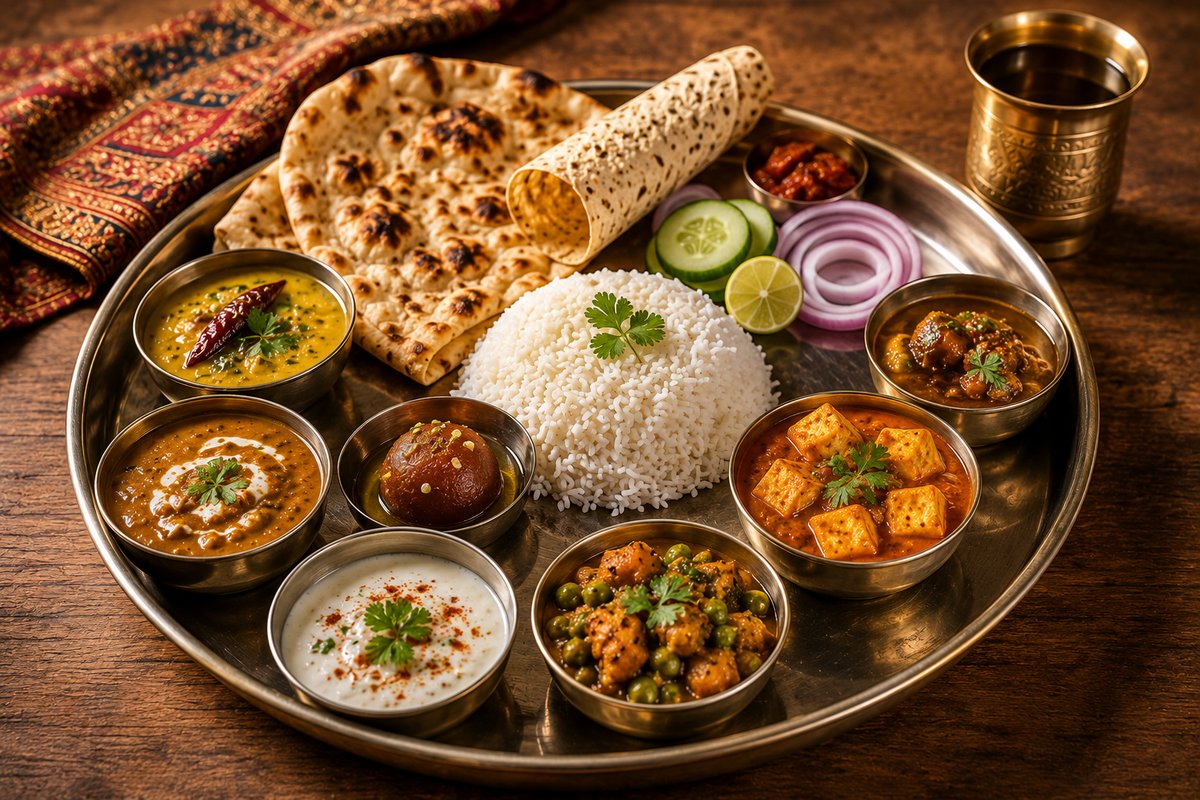
The most common paneer failure
Why paneer is rubbery — protein over-coagulation
Rubbery paneer — that bouncy, resistant texture that makes paneer unpleasant to eat — is a protein problem. Paneer's texture depends entirely on how milk proteins coagulate when acid is added. Too much heat, too much acid, or pressing too hard produces over-coagulated, tightly bonded protein networks that create rubber rather than the soft, crumbly texture of good paneer.
The Science
What makes paneer rubbery instead of soft?
When acid is added to hot milk, casein proteins precipitate and aggregate into a curd. The temperature and amount of acid determine how tightly these proteins bond. At the correct temperature (85–90°C, just below simmering), proteins aggregate loosely — producing soft, crumbly curds. At higher temperatures (full rolling boil), proteins bond more tightly and expel more water — producing dense, rubbery curds. Boiling the milk vigorously after curdling, or pressing with too much weight, expels all remaining moisture and produces maximum rubberiness.
35 second read
The Fix
How to make soft, non-rubbery paneer
- Heat milk to 85–90°C — small bubbles around the edges, not a rolling boil
- Turn off heat before adding acid — residual heat is sufficient to complete curdling
- Add acid slowly — lemon juice or vinegar in small amounts, stopping as soon as curds separate
- Press with moderate weight only — 500g–1kg for 30 minutes. More weight = more rubber.
- Soak finished paneer in cold water for 30 minutes — rehydrates the outer layer, improves softness