Ingredient identity
Ingredient DNA
Little Millet — Kutki
Panicum sumatrense · Family: Poaceae · Genus: Panicum
Origin
Africa / South Asia — ancient cultivation
Category
Millet / Ancient Grain
Form
Small round or oval grains
Gluten-free
Yes
Protein
~11g per 100g dry
Fibre
High — higher than rice and wheat
Taste profile
What Does Little Millet Taste Like?
Flavour Profile — Little Millet
Earthiness★★★☆☆
Nuttiness★★★☆☆
Mildness★★★☆☆
Warmth★★☆☆☆
Complexity★★☆☆☆
Aroma Strength★★☆☆☆
Botanical classification
Kingdom
Plantae
Family
Poaceae
Genus
Panicum
Species
Panicum sumatrense
Hindi Name
Kutki / Samai
Sanskrit Name
—
English Name
Little Millet
Arabic Name
—
Names across India
Little Millet in Every Indian Language
| Language | Name | Pronunciation |
|---|---|---|
| English | Little Millet | |
| Hindi | Kutki / Samai | |
| Tamil | சாமை — Samai | |
| Telugu | సామలు — Samalu | |
| Malayalam | ചാമ — Chama | |
| Kannada | ಸಾವೆ — Save | |
| Gujarati | Kutki / Samai | |
| Marathi | Kutki / Samai | |
| Punjabi | Kutki / Samai |
Origin and identity
What Is Little Millet?
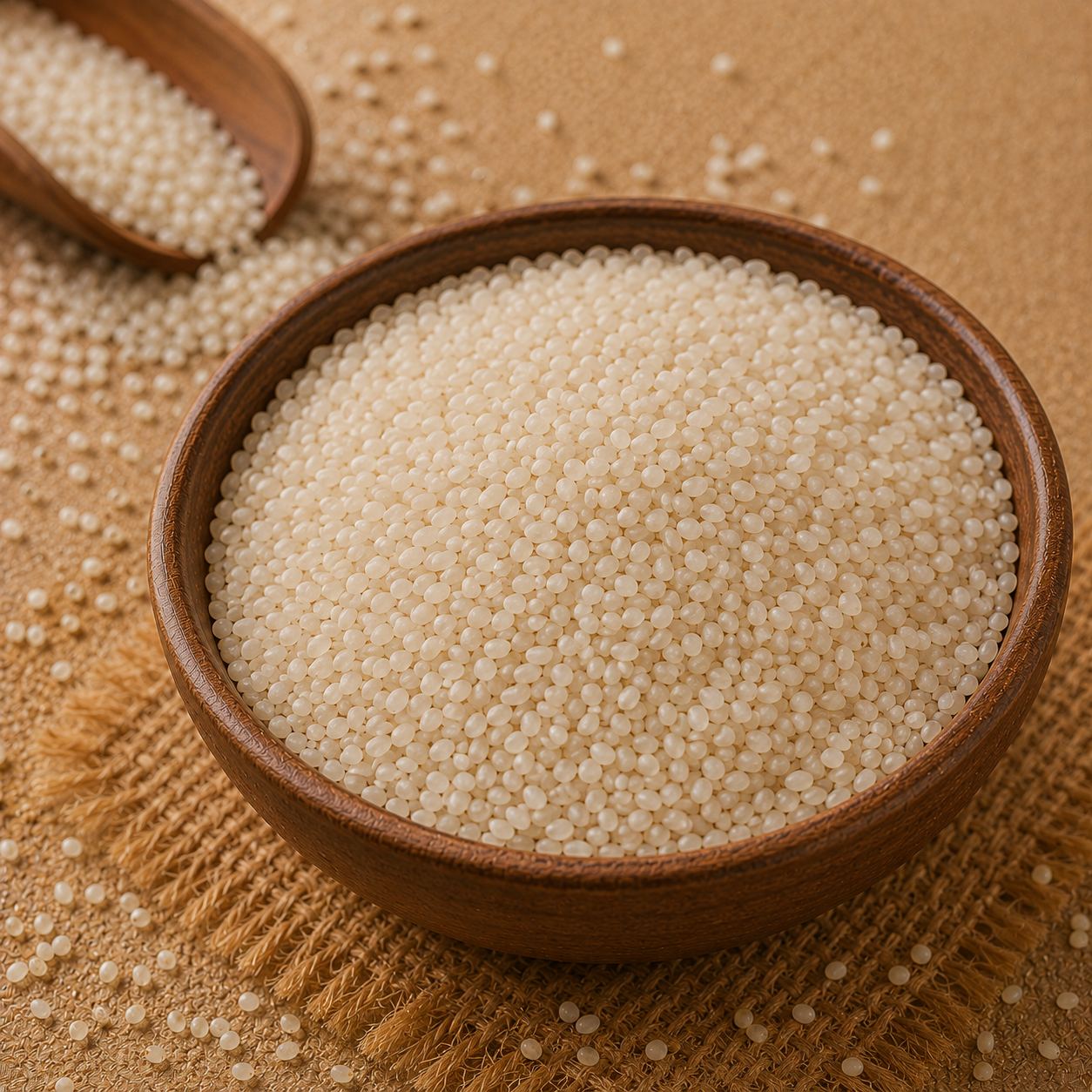
Little millet — kutki in Hindi, samai in Tamil — is one of the smallest millets with tiny, cream-coloured round grains. It is particularly valued as a fasting food across South India, where it is permitted during Navratri and Ekadashi fasts when rice is restricted. It is also one of the most nutritious millets, with very high fibre content.
What Indian Cooking Loses Without Little Millet
- Little millet is the standard fasting-day grain in many South Indian households — permitted when rice is restricted
- Samai Pongal is the fasting-day version of the classic Pongal preparation
- The tiny grain cooks faster than most millets
- Very high fibre — one of the most fibre-dense grains available
Historical significance
Little Millet Through History
Historical Record
Ancient Fasting Grain
Little millet has been cultivated in India for at least 3,000 years, primarily in tribal agricultural regions. Its acceptance as a fasting-permitted grain is a religious tradition that reflects ancient agricultural practices — it was likely considered separate from 'cultivated' grain in early Hindu practice.
Cooking science
The Science of Little Millet
Cooking Science
High Fibre — The Defining Character
Little millet contains approximately 7.6g fibre per 100g dry — among the highest of all millets. This high fibre content gives it a very low glycemic index (~52) and produces sustained satiety — explaining why it became a preferred fasting grain, providing sustained energy without heavy caloric load.
Storage science
How to Store Little Millet
Storage Reference
Whole grain
12–18 months
Flour
3–4 months
Key note
Store in airtight container away from moisture
Buying guide
How to Buy Good Little Millet
Technique
How to Use Little Millet Correctly
Using Little Millet in the Kitchen
Technique, quantity, and what to avoid
- Rinse before cooking
- Cook ratio: 1 cup millet to 2.5 cups water
- Bring to boil, reduce heat, cook 20–25 minutes
- Rest covered 5 minutes before serving
- Use as replacement for rice or in traditional preparations
- Toast dry in pan first for nuttier flavour
Pairings
What Little Millet Pairs Well With
Best Pairings — Little Millet
Famous dishes
Dishes That Use Little Millet
Key Dishes Using Little Millet
Samai Pongal
South India · Fasting Pongal
Primary grain
Samai Rice
South India · Fasting rice substitute
Primary
Kutki Khichdi
North India · Fasting food
Primary
Little Millet Upma
South India · Breakfast
Grain
Regional use
Where Little Millet Matters Most
Regional Importance
★★★★★
Rajasthan / Gujarat / Maharashtra
Traditional staple
★★★★☆
South India
Growing adoption
★★★★★
Rural India
Centuries-old staple
★★★☆☆
Urban India
Health food trend
★★★★☆
Tribal communities
Foundational food
Where Little Millet Fits in Indian Cooking
| Rajasthani Cuisine | Essential |
| Gujarati Cuisine | Common |
| South Indian Cuisine | Common |
| Jain Cooking | Common |
| Sattvic Cooking | Essential |
| Gluten-Free Cooking | Essential |
Comparison
Little Millet vs Rice vs Wheat
Little Millet vs Rice vs Wheat
| Feature | Little Millet | White Rice | Wheat |
|---|---|---|---|
| Glycemic Index | Low (50–70) | High (73) | Medium (68) |
| Fibre | High | Low | Medium |
| Gluten | None | None | Yes |
| Protein | ~11g/100g | ~7g/100g | ~13g/100g |
| Micronutrients | Higher overall | Lower | Moderate |
Nutrition
Nutrition and Key Compounds
Little Millet — Honest Nutritional Picture
Culinary quantities — aromatic and flavour contribution, not macro nutrition
Little millet (dry): ~8g protein, 65g carbohydrate, 7.6g fibre per 100g. Very high in iron and calcium. Low GI (~52).
Substitutions
Substitutes for Little Millet
What Works and What Does Not
Good substitute
Other millets
Most millets can substitute each other with minor adjustments.
Good substitute
Quinoa (outside India)
Similar protein profile and cooking method.
People Also Search
Related Articles
Chef's notes
Practical Insight
From the Kitchen
Little Millet is best introduced gradually — swap rice for millet in 25% of meals first, increasing over weeks. The nutty flavour and slightly different texture take adjustment. Toast the grain dry in a pan for 2–3 minutes before cooking for the most flavourful result.