The nutty smell question
Why ghee smells nutty when heated
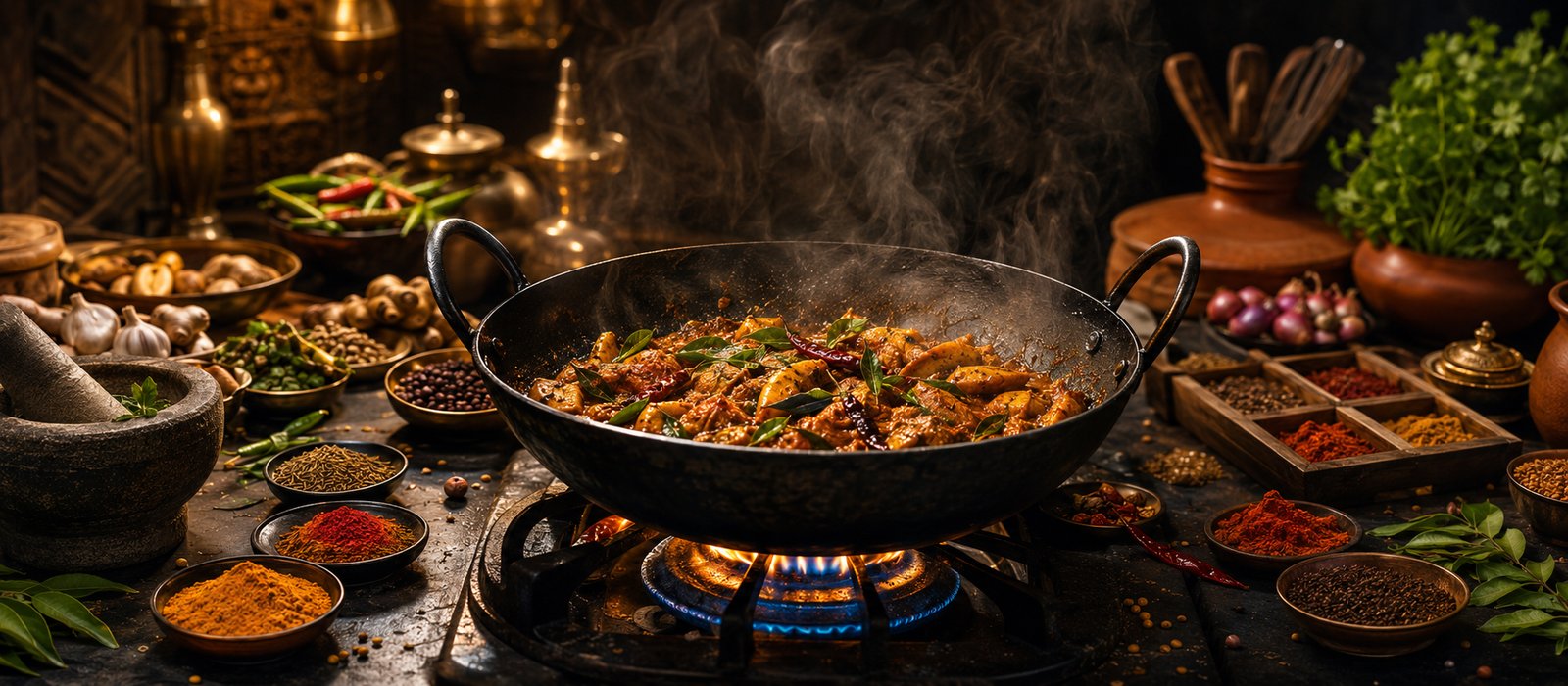
The moment hot ghee hits a pan, a wave of nutty, rich, almost caramel-like aroma fills the kitchen — one of the most appetising smells in Indian cooking. This distinctive aroma is not simply butter — it is a specific combination of compounds produced during ghee making and then released when the ghee is reheated. Understanding where this aroma comes from explains why ghee smells different from both butter and neutral oil.
The Science
What specific compounds produce ghee's distinctive nutty aroma?
During ghee making, butter is slowly heated until the water evaporates and the milk solids undergo Maillard browning at the bottom of the pan. This browning produces: diacetyl (buttery, caramel-like), butyric acid (the distinctive dairy note), delta-decalactone (peach-like, creamy), and various pyrazines (nutty, roasted) from the browned milk proteins. These compounds are fat-soluble — they dissolve into the clarified fat during production and remain there until the ghee is heated during cooking. When hot ghee is added to a pan, heat drives these compounds out of solution and into the air as volatiles — producing the characteristic wave of nutty, rich aroma.
35 second read
Why Ghee Aroma Matters for Cooking
The practical implications
- Applied at the end: a teaspoon of ghee stirred in off heat releases its aromatic compounds maximally — the dish's heat drives them into the air as volatile top notes that reach the nose immediately on serving.
- Quality varies: ghee made from cultured butter (from fermented cream) has more diacetyl and lactic acid compounds — producing a more complex, tangier aroma. Commercial ghee varies enormously in aroma complexity based on the butter source and production method.
- The nutty smell is Maillard: the milk protein browning during ghee production produces the same pyrazine compounds as other Maillard reactions — connecting ghee's aroma to the broader Maillard chemistry of Indian cooking.